1. Exercise programs for motor restlessness, restless sleep and sensory integration
The two exercise programs for sleep and sensory integration (how a child takes in and processes input from the senses) are divided by age: one for babies from 4 weeks up to 2 years, and one for children aged 2 and up. That is because in the first years of life you do the exercises on your child, while your child gradually becomes more active and can do more of the exercises themselves. The programs partly overlap, because in both of them the exercises are about stimulating the senses within a safe and structured setting. But there are also clear differences, because older children can take a more active part in the exercises themselves.
As a general rule, choose only one program from this category per child!
-
349,00 DKK
Exercises for babies and very young children from 4 weeks up to 2 years with motor restlessness or other sensory-seeking behavior that makes it hard to settle, give in to sleep, or stay asleep. You get a wide range of practical, regulating sensory exercises that are easy to fit into a busy daily routine, plus best-practice knowledge about baby sleep.

-
349,00 DKK
Sensory integration exercises for kids from 2 years to around 12 years who are sensory seeking and need a lot of sensory stimulation, or who are sensory avoiding and easily overwhelmed by loud noises, touch, or clothing. The program contains a wide range of practical sensory-stimulating exercises, plus sensorimotor games and activities that are easy to do at home.
2. Exercise programs for strong tummy time and rolling
All three programs in this category can be used from around four weeks of age. They contain motor exercises that give your baby a good starting point for becoming confident and happy on their tummy. You can use the programs until your baby rolls from back to tummy with ease, to both the right and the left. The programs share many of the same exercises but differ in the details. Which program to choose for your baby depends on whether you simply want to support your baby’s motor foundation in general, or whether your baby also has back dominance (in tummy time, arches their back instead of supporting themselves on their arms), a flat head (at the back or on one side) or a preferred side (mostly turns their head to one side).
As a general rule, choose only one program from this category per child!
As a general rule, do not choose a program from this category if your baby is already belly crawling or crawling.
-
349,00 DKK
Tummy time and rolling exercises for babies from 4 weeks, as playful everyday inspiration and in cases of mild motor delay. The program contains simple best-practice exercises that strengthen the muscles your baby needs to lie comfortably on their tummy and to roll.
-
349,00 DKK
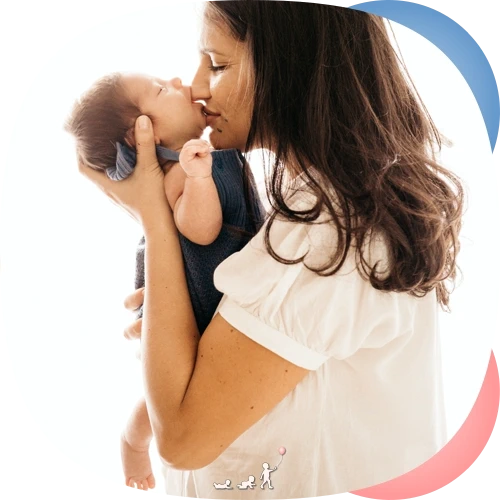
Tummy time and rolling exercises for babies from 4 weeks, with a special focus and important additions for back arching, a flat head and the skydiver position. The program contains simple best-practice exercises that strengthen the muscles your baby needs to lie comfortably on their tummy and to roll.
-
349,00 DKK
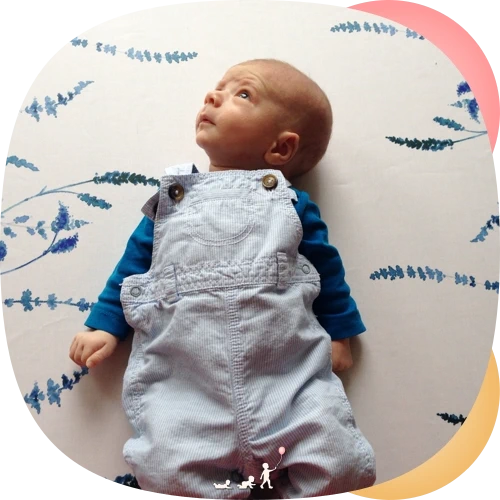
Tummy time and rolling exercises for babies from 4 weeks, with a special focus and important additions for a preferred side, a flat head on one side and a banana shape. The program contains simple best-practice exercises that strengthen the muscles your baby needs to lie comfortably on their tummy and to roll.
3. Exercise program for strong belly crawling
Belly crawling is when your baby moves forward on their tummy. This program is for you if your baby can already roll from back to tummy and either can turn around in a circle on their tummy, a bit like the hands of a clock (pivoting), or is just beginning to.
-
349,00 DKK
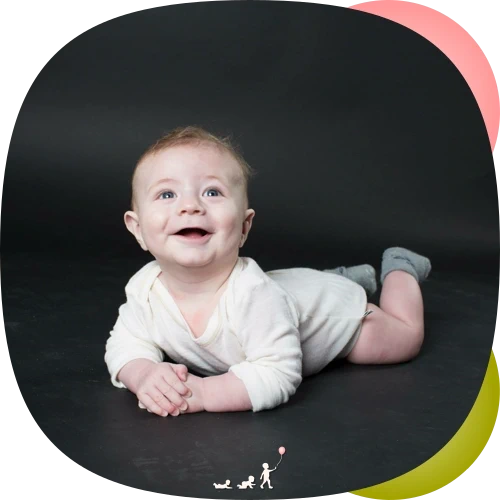
Exercises for belly crawling in babies who can roll from back to tummy but don’t yet move forward on their tummy. The program contains simple best-practice exercises that support your baby on the way to strong belly crawling using both sides of the body. The exercises strengthen the motor foundation for the next milestones and can be used both as playful everyday inspiration and in cases of motor delay.
4. Exercise programs for strong crawling on all fours
Both programs for moving on to crawling on all fours can be used once your child can belly crawl. Each contains exercises for the strength and coordination that crawling on all fours requires. One program has exercises that strengthen both sides of the body equally, while the other has a one-sided focus for babies who belly crawl asymmetrically: they crawl mostly with one leg and the opposite arm, while the other leg barely joins in. Below, you can see which crawling program best suits the way your child belly crawls.
As a general rule, choose only one program from this category per child!
-
349,00 DKK
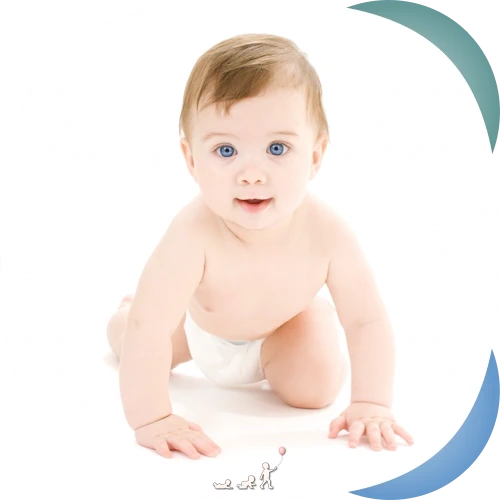
Exercises for crawling on all fours for babies who belly crawl, either with ordinary cross-pattern belly crawling or with midline belly crawling. The program contains easy best-practice exercises that strengthen both sides of the body equally and support your baby on the way from belly crawling to crawling. The exercises can be used both as playful everyday inspiration and in cases of motor delay.
-
349,00 DKK
Crawling exercises with a special focus and important additions for babies with asymmetrical belly crawling, meaning they belly crawl with only one leg and the opposite arm, while the other leg barely joins in. The program contains easy best-practice exercises that strengthen the weaker side and coordination, so the body can become more symmetrically strong on the way to crawling.
5. Exercise programs for strong, steady walking
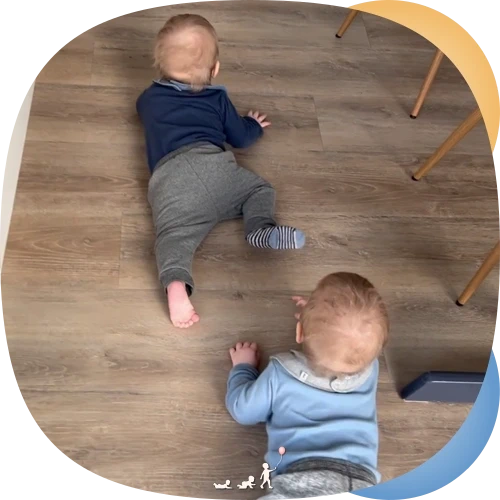
Both programs in this category aim to help your child learn to walk steadily and confidently. One program is designed for children who crawl on all fours. It contains general exercises that support motor development, plus my best tips for helping your child find the courage to take their first steps without support. The other program contains many of the same exercises but is adapted for children who crawl with one leg up (Tarzan crawling) or move forward on their bottom (bottom scooting). Below, you can see which walking program best suits the way your child crawls.
As a general rule, choose only one program from this category per child!
-
349,00 DKK
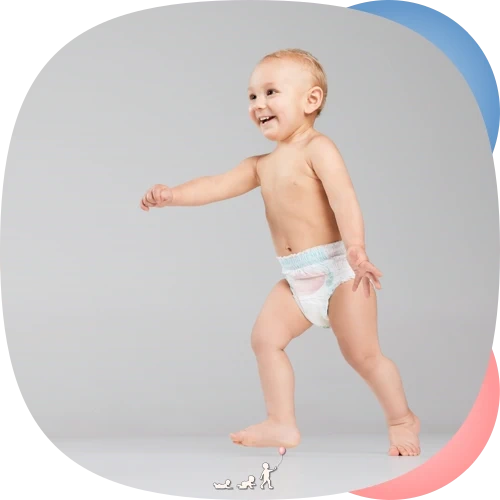
Walking exercises for children who crawl on all fours, including children who already walk with support but don’t walk on their own yet. The program contains easy best-practice exercises that strengthen the body for strong, steady walking, and my best tips on how your child can find the courage to take those first steps without holding on. The exercises can be used both as playful everyday inspiration and in cases of motor delay.
-
349,00 DKK
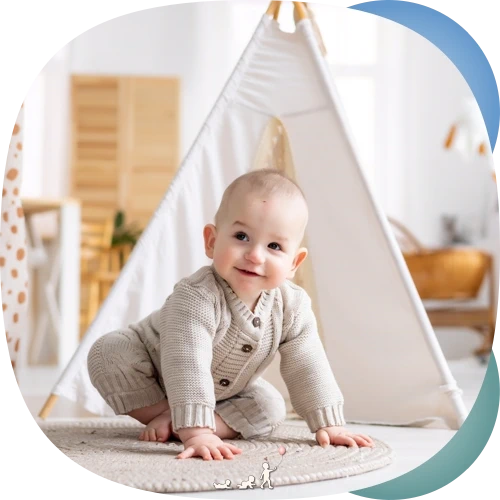
Walking exercises with a special focus and substantial additions for children who crawl with one foot planted on the floor (Tarzan crawling) or get around sitting on their bottom (bottom scooting), and who don’t walk without support yet. The program contains easy best-practice exercises that strengthen both sides of the body and the rotation muscles, so the body can become more symmetrically strong on the way to steady walking.
-
349,00 DKK
By purchasing a gift card, you can give one of my online exercise programs as a gift to a friend or family.

Disclaimer
All content on DeveloBaby.com is based on recognized professional standards in Denmark, so you can expect it to be in line with the advice given in the Danish public health system. If you find that your child has major difficulties with sleep or motor development, or that the general exercises are not making a difference, you may need a consultation, where the exercises are tailored to your child. If your child is unwell, you should of course always contact your healthcare provider or doctor. Read more.